
Tags
C 28, Cepheus, cluster, Crescent Nebula, EAA, Electronically Assisted Astronomy, Forsaken Nebula, galaxies, galaxy, Gamma Cygni, globular, globular cluster, Hopewell Observatory, IC 1318B, IC 1995, IC 5068, M45, Nebulae, open cluster, Pleiades, Seestar, Seestar s50, SH@-142, Sharpless, Taurus, Wizard
I can’t take really take very much credit for any of these images, because all I did was this:
- Make sure the device was fully charged the day before.
- Choose the ‘Auto Plan’ option instead of the Manual option in the Plan section of the Seestar app on my tablet; accept and save the Plan that it creates for me.
- Most important: Drive to a safe location much farther from city lights — Hopewell Observatory, which I belong to.
- Once it’s getting dark, level the tripod carefully.
- Screw the Seestar onto the tripod.
- Push the button to turn it on.
- Be patient while my tablet and Seestar set up their communications channel.
- On my tablet, tell the Seestar to carry out the Plan that it created in step 2.
- Make sure it has actually started.
- Every so often, check the current image and make sure both devices have enough ‘juice’.
- In the morning, put everything away.
- Later on, examine the finished and stacked images, which I will show you in a moment. Decide whether or not to delete all the sub-exposures.
Here are the images of the distant nebulae it was able to get and process, all by itself, starting at about 10 pm:
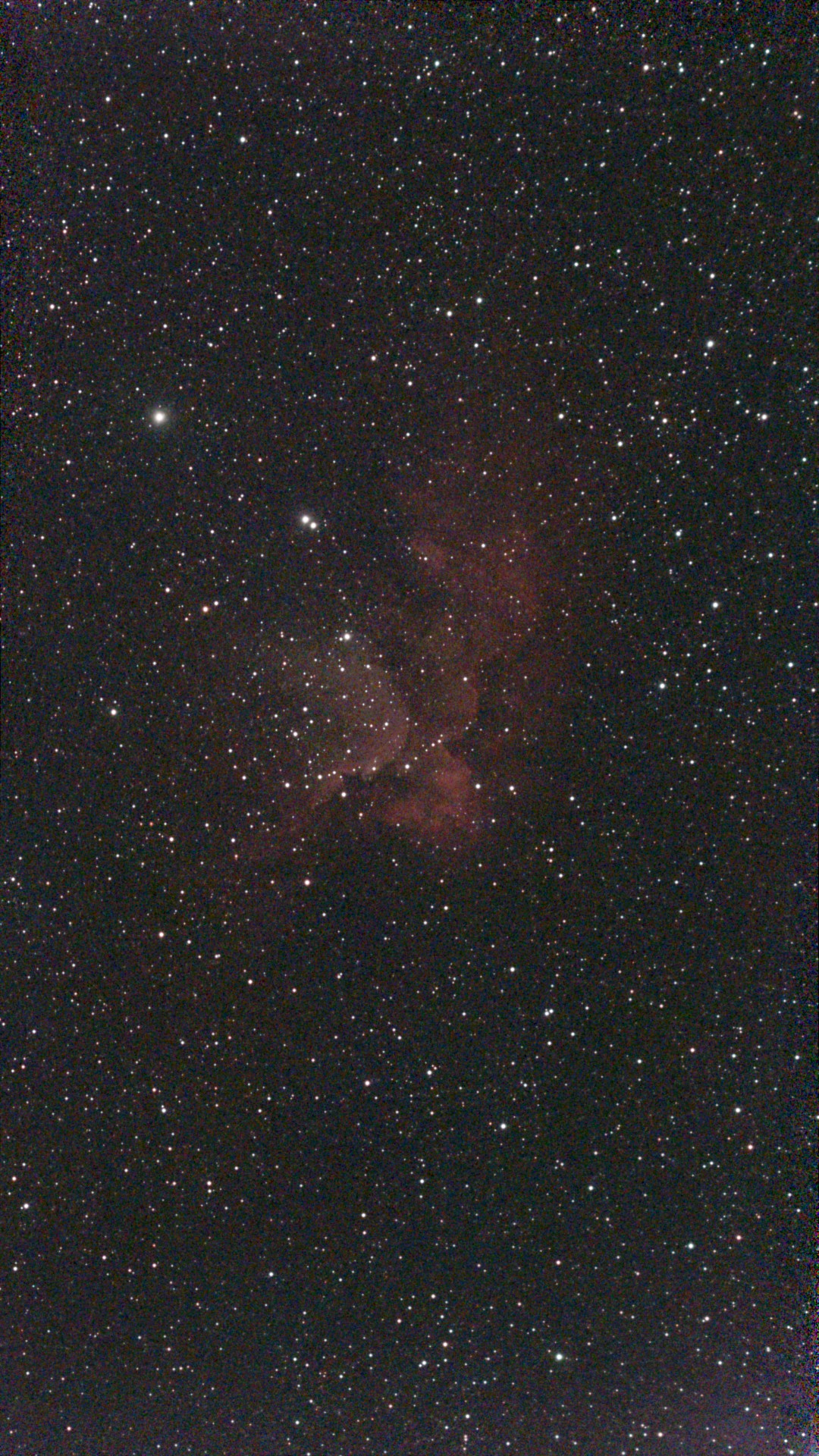
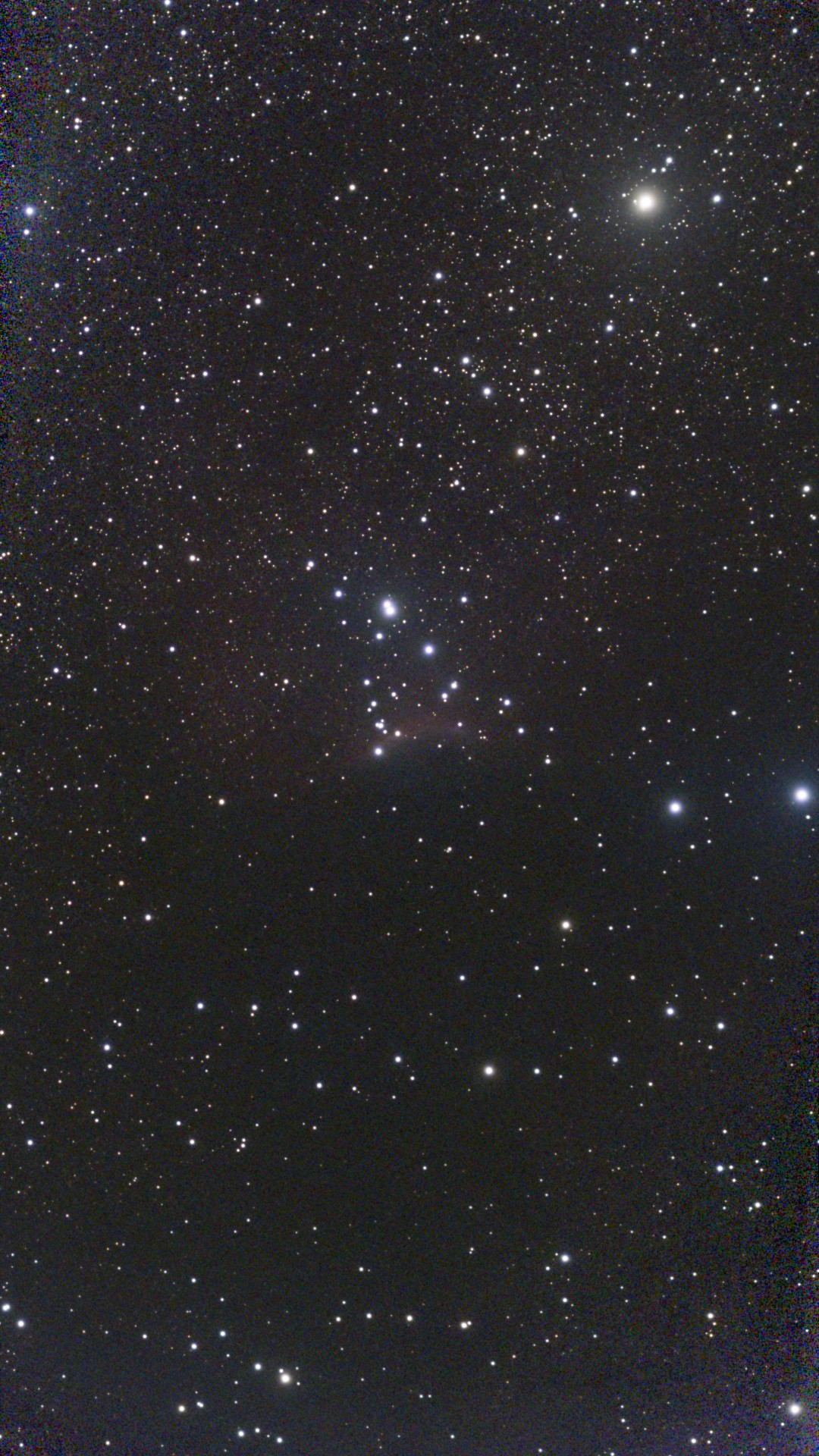
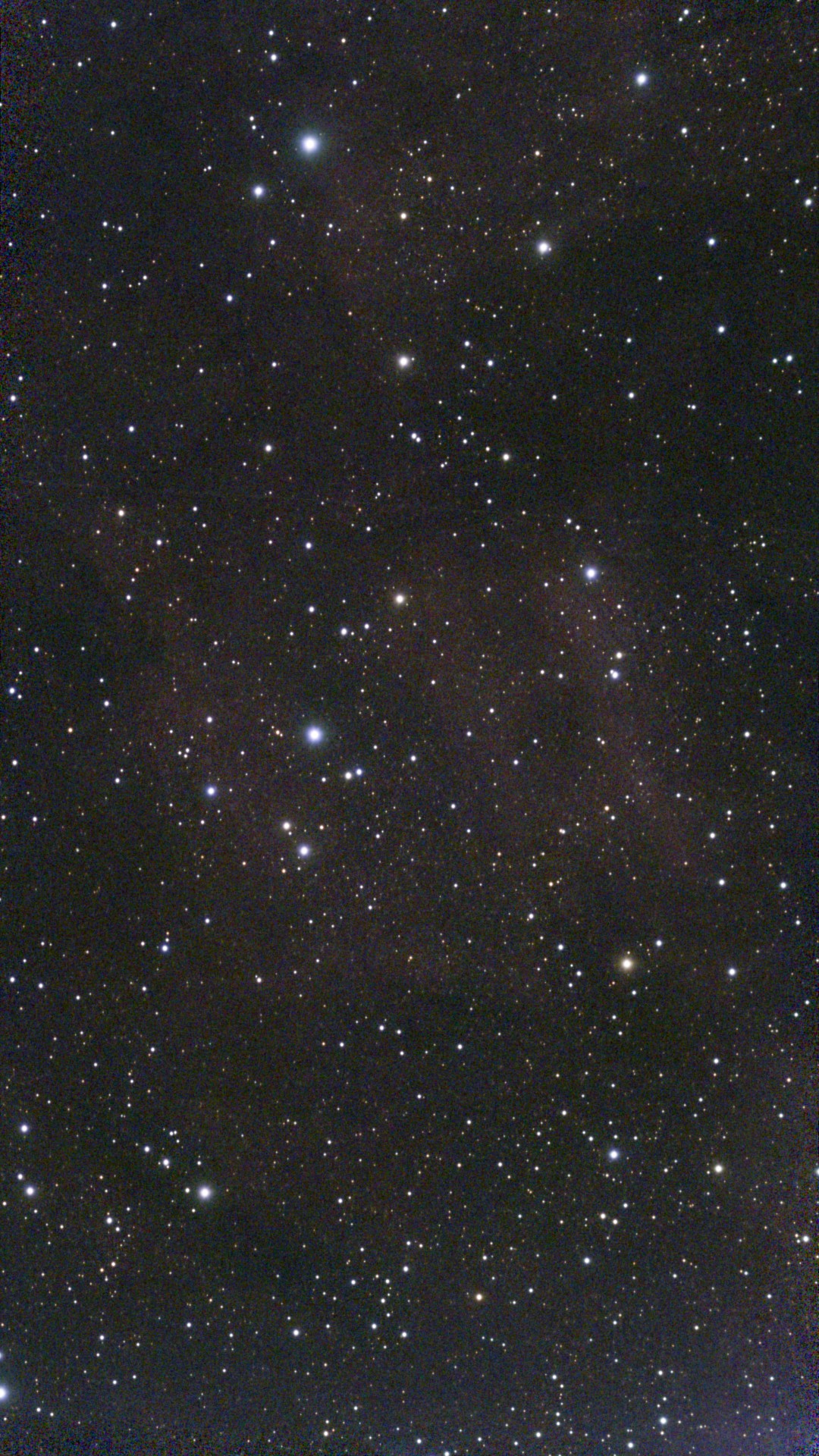
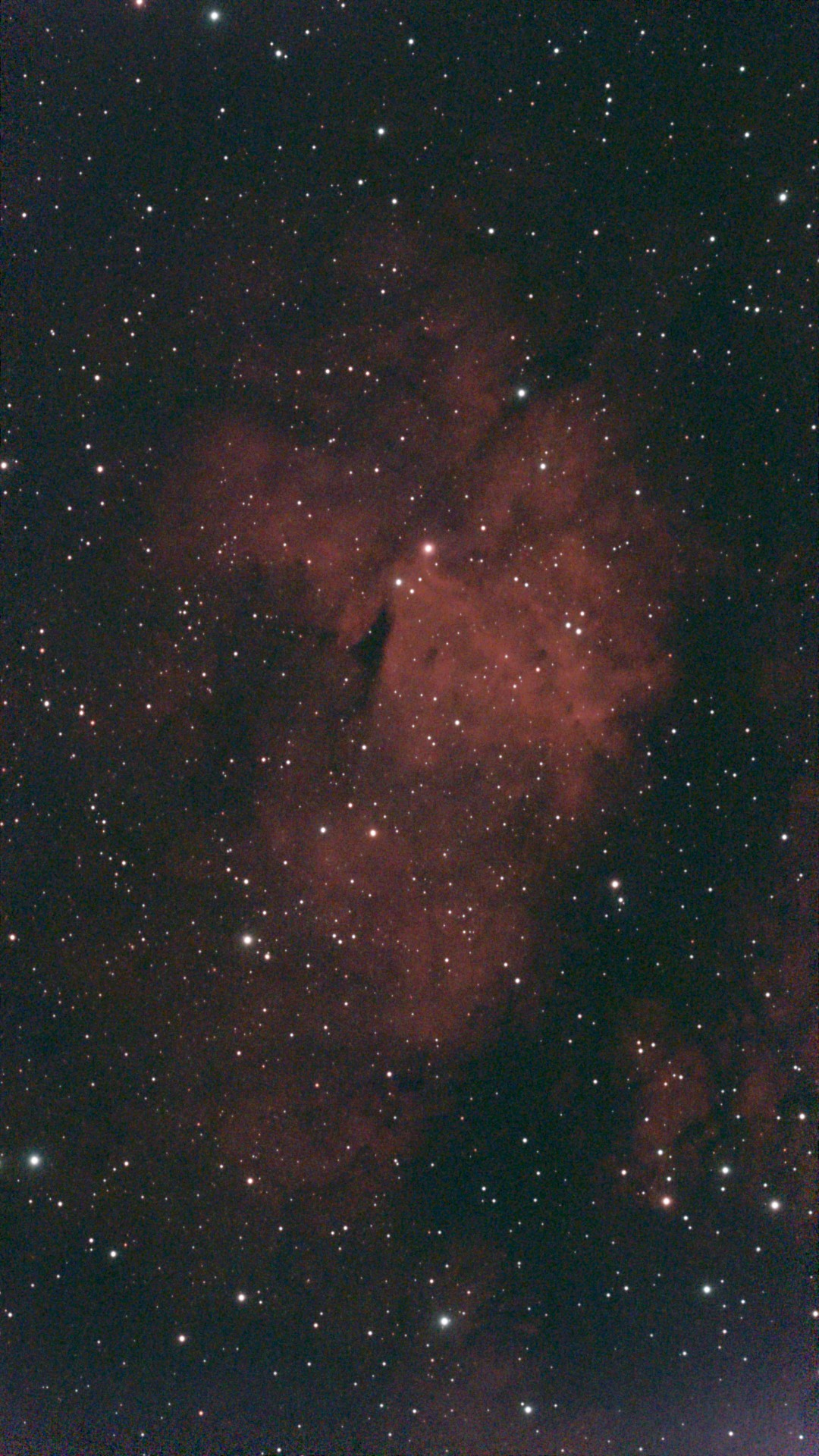
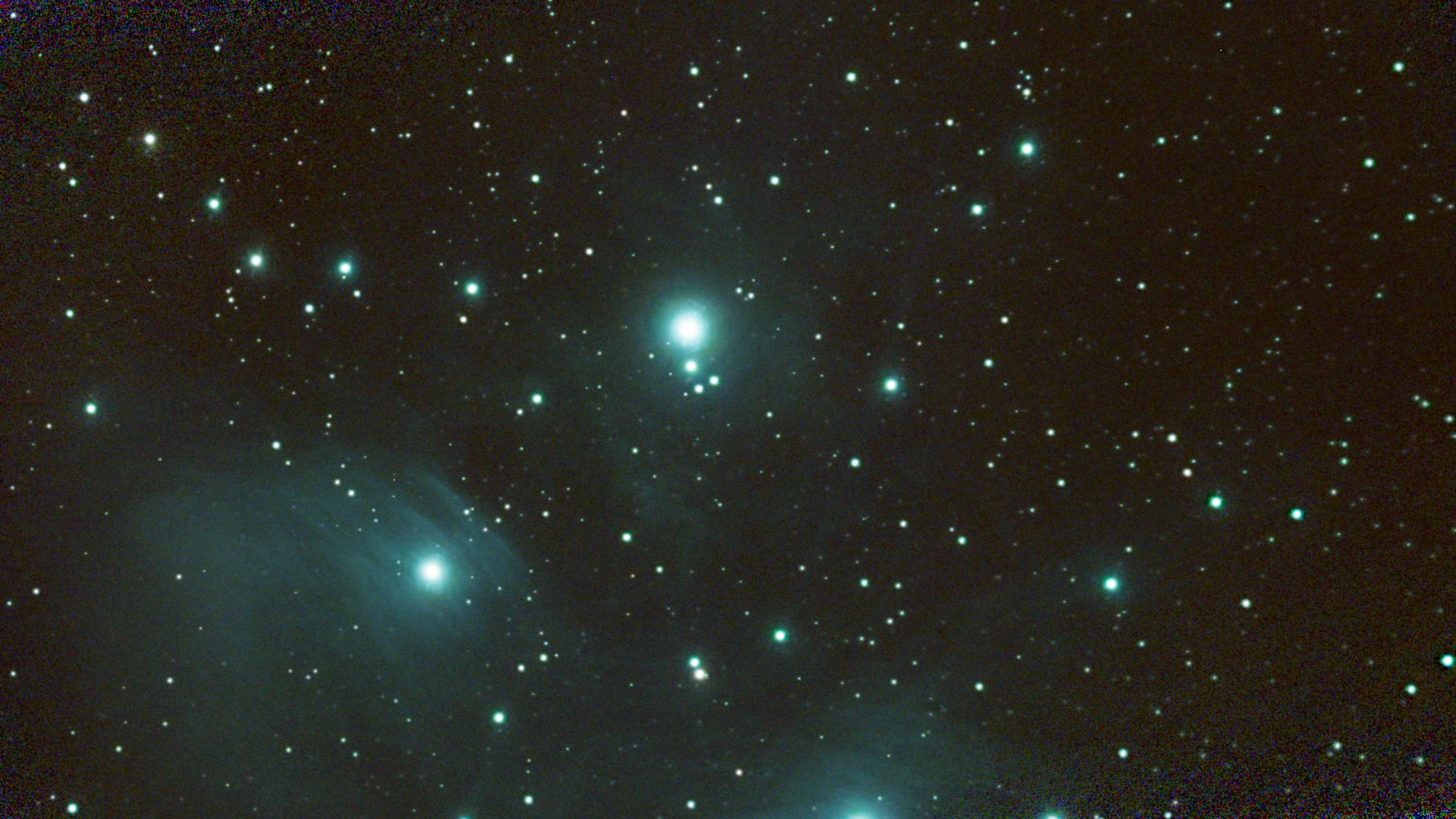
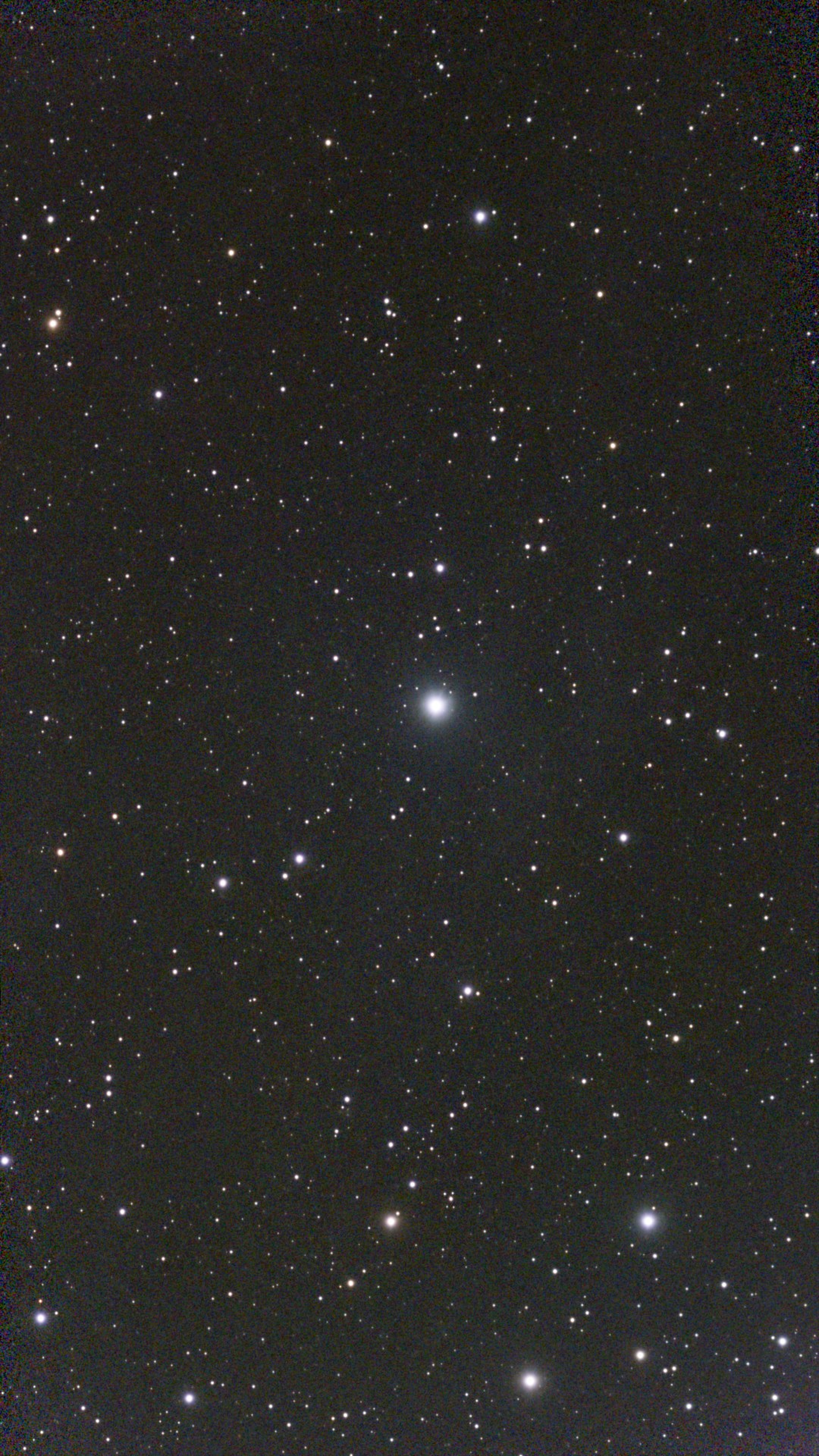
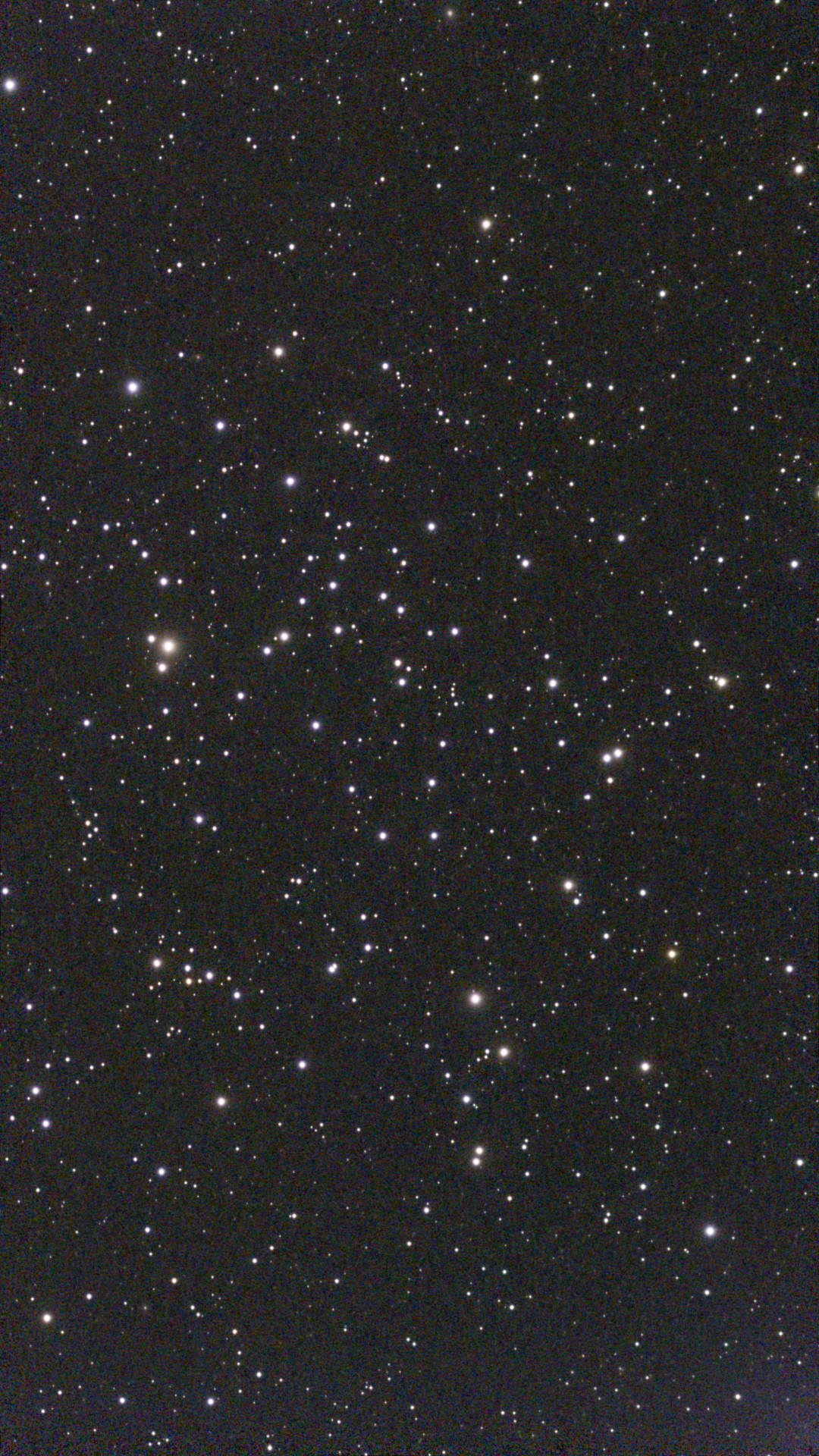
A very ambitious imaging agenda, and very respectable accomplishment for a camera, mount, and processing system all put together into a package the size of a child’s backpack! Note: I didn’t have to take any darks or flats, nor stack and process any of the thousands of 10-second exposures it took that night, mostly while I was safely asleep on my cot in the Operations building.
Even though it doesn’t seem to work very well for detecting exoplanets (at least not for me) the ZWO engineers who invented this thing, making imaging of deep-sky nebulae a piece of cake, deserve a lot of credit!


They are all excellent images. To say you cannot take “very much credit” is like saying a conductor cannot take credit for an orchestra’s performance because he didn’t play an instrument.
LikeLike
Thanks. You are partly correct — I still had to do a lot of setting up. But compared to trying to take pretty pictures with a non-integrated camera/processor/mount like this, it is soooooo much easier that the effort seems minimal by comparison. Astrophotography is very hard, and quite expensive in terms of time spent and money spent.
LikeLiked by 1 person