Tags
astronomy, ealing, Ealing mount, Hopewell, Hopewell Observatory, Moon, planet, solar system, Telescope
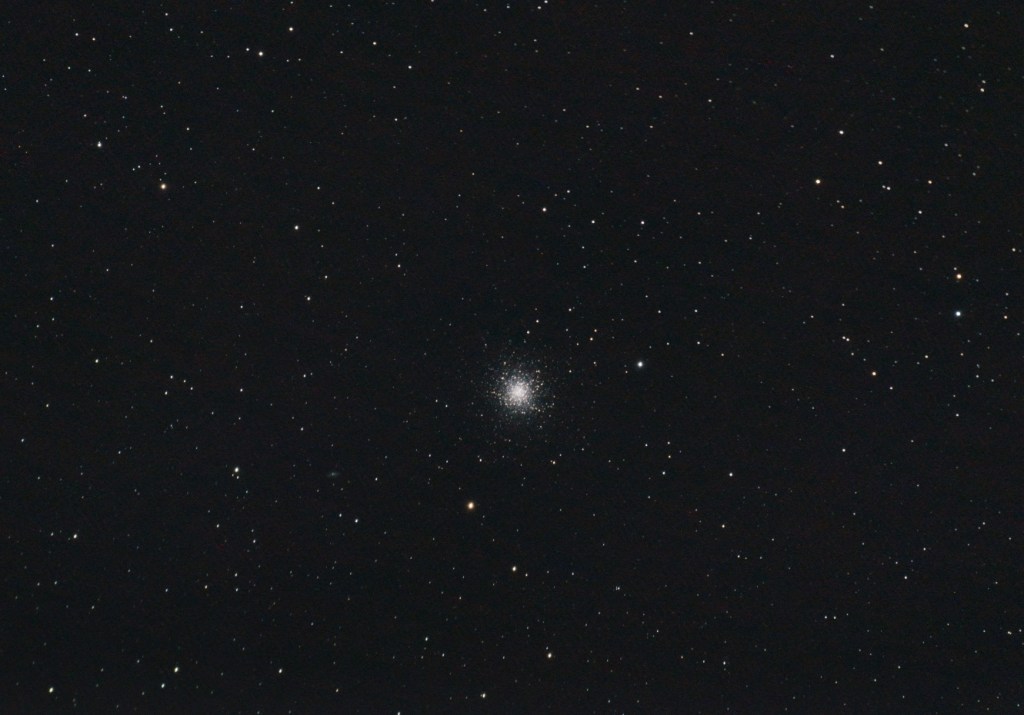
These were made by Gael Gomez, a recent HS grad who visited on Monday, July 1.



04 Thursday Jul 2024
Posted in astronomy, Hopewell Observatorry
Tags
astronomy, ealing, Ealing mount, Hopewell, Hopewell Observatory, Moon, planet, solar system, Telescope
These were made by Gael Gomez, a recent HS grad who visited on Monday, July 1.
30 Saturday Apr 2022
Posted in astronomy, Hopewell Observatorry, science, Telescope Making, Uncategorized
Tags
Arduino, axes, declination, direction, enable, ground, Hopewell, MaxESP, OnStep, oscilloscope, pin, right ascension, step
We are still at work trying to debug our OnStep re-build of the venerable Ealing telescope drive system at Hopewell Observatory.
Without having a whole lot of experience with oscilloscopes, we used a brand-new OWON 200-series hand-held unit to measure the output of our various MaxESP3.03 boards towards the stepper motors. We don’t really understand what these waveforms actually mean, and a brief search of the OnStep wiki page does not immediately point me to screenshots of what the signals should look like under various conditions.
In any case, some of the waveforms we see look like simple square wave signals. Some look like weird semi-random combinations of square waves, and some look like just plain noise.
In this first video, we have an unmodified MaxESP3.03 board with TMC5160 drivers, not connected to any stepper motors. I attached the ground pin of the probe to one of the grounding grommets at a corner of the MaxESP board, and systematically probed the pins that come out towards the various windings on the stepper motor. We also pressed N, S, E, and W buttons to see what happened. Here goes:
Those of you who are experts on this: do these waveforms appear to be OK to you in this situation?
This next setup is different. It’s a MaxESP3.03 board that Ken Hunter has modified by adding or moving about ten jumpers on the underside of the board; it has no slip-stick drivers for RA or DEC mounted on the MaxESP board itself. Instead, each axis has three (not four) wires coming out of the same place that four wires generally come out to connect to your stepper motor; these three wires connect to four of the inputs on an external, and separately-powered TB6600 stepper driver, which then feeds four wires to the two coils on the stepper.
The arrangement we have now does seem to work, at least on our workbench at the ATM workshop in Chevy Chase Community Center in NW DC, as you can see and hear in this video, but, once again, neither Alan nor I have any idea if the waveforms are correct. Here is the video:
Again: experts — do you think those waveforms are correct?
We were surprised at how complex, and apparently noisy, are the signals on the Step and Dir lines from this modified MaxESP board to the green-and-black external TB6600 drivers. They don’t show up at all in these two previous videos, but they will show up in the next one, which I’m having a bit of trouble uploading at the moment.
In that video, I test both RA and DEC output.
In RA, pin #1 is Enable and is apparently not connected to anything. It produces a wave that looks like a crosscut saw seen from above that has teeth very widely spaced apart. That ENA signal doesn’t change no matter what buttons we push; we think the graph is merely showing interference from something or other.
Still in RA, pin #2 is the STEP pin, and it produces a nice square wave that changes dramatically in frequency when you press the E or W buttons on the SHC. We don’t really see the difference between the E or W graphs.
Still in RA, and in contrast, the graphs for both the Dir and GND pins seem to just look like noise. When one presses ‘E’ the noise graph from the Dir pin definitely changes voltage (it drops off the screen), but not when we press ‘W’. Nothing happens to the noise graph on the fourth pin (GND), no matter what we do.
On the DEC side, all pins seem to put out flat but noisy signals. The noise signal on Pin 2 (Step) moves dramatically but identically lower when you press either the North or South button on the SHC. The noise signal on Pin 3 (Dir) does not change when you press buttons, and neither does the noise signal on pin 4 (GND).
So can we conclude that this board is fried?
18 Sunday Aug 2019
Posted in astronomy, History, Hopewell Observatorry, Optics, Telescope Making
Tags
Last week, I was helping staff and students at the University of Maryland’s Observatory to clean out a storage trailer.
We noticed a seven-foot-long, 6-inch diameter telescope that had been sitting in a corner there, unused, ever since it was donated to the National Capital Astronomers (NCA) club nearly ten years earlier by the son of the original owner, Carl Kiess, who had worked at the Lick Observatory in California and the National Bureau of Standards in or near DC, but who had passed away nearly fifty years earlier. I figured I could put it on a motorized telescope mount at Hopewell Observatory and at a minimum test the optics to see if they were any good. The current officers and trustees of NCA all said they thought this was a good idea.
One thing that caught my eye was how filthy and flaky the coating was on the tube itself, although the lens appeared to be in good shape.


The drive, while impressive, does not have a motor, requires a pier, and is extremely heavy. I decided not to mess with the drive and to put it temporarily on our existing, venerable, sturdy, motorized, electronic drive we have at Hopewell Observatory.
So I experimented with various abrasives and solvents to clean off the nasty green coating; a fine wire wheel inserted in an electric drill did the best job. Here it is partly cleaned off:


I then used Brasso for a final polish, followed by a final cleaning with acetone, and then applied several coats of polyurethane to keep it looking shiny for a number of years. (The lenses stayed covered for all of this!) So this is how it looks now:


The next task is to make a temporary holder and then put it on the mount, and then test the optics.
 Guy's Math & Astro Blog